
Tag: Book Recommendations

  • 10 Cozy Fantasy Books With Romance but Little or No Spice

    10 Cozy Fantasy Books With Romance but Little or No Spice

    A cup of coffee and an open book on a cozy blanket for a low-spice cozy fantasy reading guide
    Photo by Sarolta Balog-Major on Unsplash

    Affiliate disclosure: Fiction Found Here publishes The Lockkeeper of Alder Reach. As an Amazon Associate I earn from qualifying purchases. Full disclosure.

    Sometimes the exact reading mood is not “no romance.” It is romance without the spice: yearning, banter, slow trust, a kiss you have waited 300 pages for, and a cozy fantasy world that stays focused on character, community, magic, work, or adventure instead of explicit scenes.

    This guide is for readers looking for cozy fantasy with a meaningful romantic thread and little or no on-page sexual content. Because readers and rating sites use words like clean, closed door, sweet, and low spice differently, each recommendation below includes a plain-language heat note. If a specific content boundary matters to you, always check the latest edition and content notes before reading.

    Quick picks: cozy fantasy romance by heat level

    Book Romance feel Heat note
    A Nest of Magic Sapphic slow burn, small-town magic No spice
    The Phoenix Keeper Sapphic slow burn, magical-zoo coworkers Closed door
    Can’t Spell Treason Without Tea Established sapphic couple, tea-and-bookshop dream Closed door
    Emily Wilde’s Encyclopaedia of Faeries Academic rivals, slow-burn fae romance Kisses / no explicit scenes
    Half a Soul Regency banter, faerie curse, opposites attract Low / no explicit content
    Legends & Lattes Gentle sapphic friends-to-lovers energy Kisses / no explicit scenes
    Cursed Cocktails Gentle M/M romance, second-act life Kisses / no explicit scenes
    The House in the Cerulean Sea Tender M/M slow burn, found family Kisses / no explicit scenes
    Howl’s Moving Castle Classic bickering-to-love fantasy No sexual content
    The Lockkeeper of Alder Reach Adult competence + restrained slow burn Low spice

    1. A Nest of Magic by Kate Moseman

    Best for: readers who want the most direct match for “cozy fantasy, romance, yearning, and no spice.”

    Corinthia is a librarian who likes books, her rescued hound, chocolate, and a life with as few surprises as possible. Then a mysterious woman and a strange patch of wilderness force her to reconsider what she believes about her town and magic itself. The appeal is intentionally gentle: small-town atmosphere, a library-centered heroine, nature magic, and a sapphic slow burn.

    Heat note: the book is explicitly marketed as a no-spice cozy fantasy with a sapphic romance and HEA, making it one of the clearest fits on this list.

    Learn more about A Nest of Magic.

    2. The Phoenix Keeper by S. A. MacLean

    Best for: magical creatures, workplace competence, conservation stakes, and a gentle sapphic romance.

    Aila works at a magical wildlife sanctuary and wants to restore its endangered-phoenix program. The zoo logistics give the story something concrete to do while the romance develops around her work rather than replacing it.

    Heat note: commonly categorized as closed door, with romance and slow-burn tension but no explicit scenes.

    Learn more from Orbit/Hachette.

    3. Can’t Spell Treason Without Tea by Rebecca Thorne

    Best for: an established sapphic couple, books, tea, dragons, and more adventure than pure slice-of-life cozy fantasy.

    Reyna and Kianthe leave dangerous careers behind to build the quieter life they actually want: a shop where people can drink tea and browse books. The problem is that one of them served a murderous queen and the other is an immensely powerful mage, so the old life does not disappear simply because they opened the door to a new one.

    Heat note: the central relationship is romantic and affectionate without explicit on-page sex; reader-facing heat guides generally classify it as closed door.

    View Can’t Spell Treason Without Tea on Amazon.

    4. Emily Wilde’s Encyclopaedia of Faeries by Heather Fawcett

    Best for: yearning, banter, academic rivals, winter atmosphere, and faerie folklore.

    Emily would rather catalog dangerous fae than make small talk. Her charming academic rival Wendell is much better at people and much worse at staying out of her business. Their relationship grows through fieldwork, irritation, trust, and the gradual realization that each understands the other better than expected.

    Heat note: reader heat databases consistently place this at the very mild end: kisses and romantic tension, with no explicit intimate scenes.

    See the reader heat profile for Emily Wilde’s Encyclopaedia of Faeries.

    5. Half a Soul by Olivia Atwater

    Best for: Regency fantasy, sharp banter, faerie magic, a real external investigation, and romantic payoff without explicit heat.

    Dora lost half her soul to a faerie as a child, leaving her unusually resistant to the embarrassment and fear that structure polite society. In London she collides with the abrasive Lord Sorcier, and their developing relationship runs alongside a darker investigation into a mysterious sleeping illness affecting vulnerable children.

    Heat note: this is a low-heat historical fantasy romance with no explicit content. The chemistry comes from conversation, partnership, and emotional realization rather than open-door scenes.

    Learn more about Half a Soul.

    6. Legends & Lattes by Travis Baldree

    Best for: the modern cozy-fantasy gateway, shop-building, found family, and a very gentle sapphic romance.

    Viv retires from adventuring and opens a coffee shop in a city that barely understands coffee. The romance grows inside the larger project of building a business, a team, a routine, and a place that feels like home.

    Heat note: romantic tension and a kiss, with no explicit scenes.

    View Legends & Lattes on Amazon.

    7. Cursed Cocktails by S. L. Rowland

    Best for: second-act reinvention, chronic-pain representation, found family, tavern-building, and a gentle M/M romance.

    After decades defending the frozen north, Rhoren retires to a warmer city where the climate eases his pain. He opens a tavern using his father’s drink recipes and begins building a different kind of life around work, community, and people who know him outside his old military identity.

    Heat note: reader ratings place it at the “glimpses and kisses” end of the scale rather than explicit romance.

    Learn more from S. L. Rowland.

    8. The House in the Cerulean Sea by TJ Klune

    Best for: found family, older adult characters, magical children, institutional rules versus human judgment, and a tender M/M slow burn.

    Linus Baker is a by-the-book caseworker sent to evaluate an unusual home for magical children. The romance with caretaker Arthur Parnassus develops gradually as Linus begins questioning the system he has spent his life serving.

    Heat note: very mild. The emotional payoff rests on affection and a long-awaited kiss rather than explicit content.

    View The House in the Cerulean Sea on Amazon.

    9. Howl’s Moving Castle by Diana Wynne Jones

    Best for: classic whimsical fantasy, a cursed heroine, a dramatic wizard, found family, and bickering that slowly reveals attachment.

    Sophie is cursed into the body of an old woman and ends up inside Howl’s wandering castle, where bargains, identities, curses, vanity, danger, and affection are tangled together. It is not contemporary “romantasy,” but it remains one of the clearest examples of fantasy where the relationship is memorable without sexual content driving the book.

    Heat note: no sexual content; the romantic payoff is entirely in the fantasy-adventure/fairytale register.

    Learn more about Howl’s Moving Castle.

    10. The Lockkeeper of Alder Reach by Elodie Fenwick

    Best for: adult protagonists, practical magic, competent work, a real external problem, and a restrained slow-burn relationship.

    Senior lockkeeper Tilda Renn lives in Lowsend, a terraced canal city where everyday magic moves through the water system. When a conservation decision she helped approve contributes to failures downstream and dangerous surges upstream, she has to trace the cause and fix a civic problem with consequences beyond her own life.

    The relationship develops alongside the work instead of swallowing it. That makes this a useful pick for readers who want romantic tension and emotional continuity but still need the fantasy plot to remain primary.

    Heat note: restrained, low-spice slow burn.

    Read more about The Lockkeeper of Alder Reach or view it on Amazon.

    What does “no spice” actually mean?

    There is no universal publishing standard. One reader’s “clean” may mean no explicit sex; another may mean no sexual content at all; another may be comfortable with fade-to-black intimacy but not open-door scenes. Rating sites also use different scales.

    For this guide, no spice means no on-page sexual content, closed door means intimacy is not described explicitly, and low spice means romance may carry a little more sensuality but explicit content is not the point of the reading experience.

    If you want yearning more than heat

    Start with Emily Wilde’s Encyclopaedia of Faeries or Half a Soul for banter and tension, A Nest of Magic or The Phoenix Keeper for sapphic slow burn, and The House in the Cerulean Sea for a gentler later-in-life relationship.

    If you want the romance to stay secondary to a concrete fantasy problem, try The Lockkeeper of Alder Reach or browse our guide to cozy fantasy books with real plot and adventure.

    More cozy fantasy reading guides

    Frequently asked questions

    Are there cozy fantasy books with romance but no spice?

    Yes. A Nest of Magic is explicitly marketed as no spice, while books such as The Phoenix Keeper and Can’t Spell Treason Without Tea are commonly categorized as closed door. Other books on this list use kisses and romantic tension without explicit scenes.

    What should I read if I want slow-burn cozy fantasy with no explicit scenes?

    Emily Wilde’s Encyclopaedia of Faeries, The Phoenix Keeper, Half a Soul, and The House in the Cerulean Sea are strong starting points.

    Is low-spice the same as closed-door?

    Not always. “Closed door” usually describes how intimate scenes are presented: they happen off-page or fade out. “Low spice” is broader and may include books with very mild sensuality or limited on-page intimacy. Because readers use the labels differently, this guide explains the heat level in plain language for each book.

    Where can I find more cozy fantasy recommendations?

    Start with the Fiction Found Here cozy fantasy hub, then narrow by mood through our best cozy fantasy, Legends & Lattes read-alikes, and adult-protagonist cozy fantasy guides.


  • 9 Paranormal Romance Books With Adult Heroines and Real External Stakes

    9 Paranormal Romance Books With Adult Heroines and Real External Stakes

    Misty evergreen forest for paranormal romance books with adult heroines and pack politics
    Photo by Dave Hoefler on Unsplash

    Editorial disclosure: Fiction Found Here publishes What Fate Can’t Choose by Talia Lorne. It appears below because the heroine has an established emergency-management career and the external crisis keeps moving independently of the romance.

    Paranormal romance is at its strongest when the supernatural relationship is not the only thing happening. Adult protagonists often make that easier because they arrive with jobs, communities, histories, responsibilities, and consequences that do not disappear when a powerful supernatural partner enters the story.

    These books pair romance with murder investigations, pack survival, political conflict, curses, emergency conditions, supernatural conspiracies, or other external stakes. The romance remains central, but the outside world keeps demanding decisions.

    Quick picks

    If you want… Try…
    Adult emergency-management heroine + wolf pack What Fate Can’t Choose
    Paranormal politics + murder investigation Slave to Sensation by Nalini Singh
    Werewolf hunt + mate bond Cry Wolf by Patricia Briggs
    Pack survival + outsider threat The Last Wolf by Maria Vale
    Curse-breaking + witch/werewolf romance Wolf Gone Wild by Juliette Cross

    1. What Fate Can’t Choose by Talia Lorne

    External stakes: landslide evacuation, prolonged rain, public safety, hidden-pack secrecy, and regional responsibility.

    Mira Danner’s emergency-management role exists before the romance and continues to matter after she learns Grant is a wolf-shifter Alpha. She cannot simply disappear into pack life because people outside the supernatural world still depend on her professional judgment.

    That makes the relationship more adult in a practical sense: two people have obligations that are not automatically compatible.

    Explore What Fate Can’t Choose · View it on Amazon

    2. Slave to Sensation by Nalini Singh

    External stakes: murders, inter-species tension, political danger, and the threat of psychological “rehabilitation.”

    Sascha Duncan is a Psy who must hide emotions her society treats as a defect. Lucas Hunter is Alpha of a leopard Changeling pack investigating murders of Changeling women. The romance therefore unfolds inside a wider conflict between powerful communities.

    Penguin Random House released a new trade-paperback edition in 2025, keeping this genre-defining first Psy-Changeling novel visible for a new generation of paranormal-romance readers.

    Learn more from Penguin Random House.

    3. Cry Wolf by Patricia Briggs

    External stakes: rogue werewolf hunt, dark magic, pack damage, and Anna’s recovery from abuse.

    Anna and Charles have a mate bond, but the first full Alpha and Omega novel gives them a dangerous external mission immediately. Anna’s Omega nature also creates consequences within werewolf society that go well beyond the romance.

    Learn more from Penguin Random House.

    4. The Last Wolf by Maria Vale

    External stakes: survival of the Great North Pack, hostile forces, territory, and a stranger whose presence could destabilize the pack.

    Silver has spent her life near the bottom of the pack’s hierarchy. Helping a wounded outsider is not simply a romantic choice; it risks her place in a community whose rules are built around survival.

    Learn more from Sourcebooks.

    5. Wolf Gone Wild by Juliette Cross

    External stakes: a werewolf unable to shift, a curse that may be responsible, and supernatural-community rules around who should be trusted.

    Mateo Cruz seeks out witch Evie Savoie because his wolf has effectively become trapped inside him. Their attraction develops while they still have to solve the magical problem that brought them together.

    Learn more from Hachette.

    6. A Hunger Like No Other by Kresley Cole

    External stakes: ancient supernatural enemies, family history, Lykae clan leadership, and danger tied to Emmaline’s past.

    The romance is intensely fated, but the Immortals After Dark world is large enough that the couple’s relationship always exists inside broader supernatural conflict. The current Simon & Schuster trade-paperback edition was released in 2024.

    Learn more from Simon & Schuster.

    7. The Tyrant Alpha’s Rejected Mate by Cate C. Wells

    External stakes: unequal pack hierarchy, the status of unmated women, leadership pressure, and the social fallout of public rejection.

    Una’s problems exist before Killian recognizes what he has done. Her physical difference, place in the pack, and underground business with other women give the book community-level conflict beyond whether the Alpha can win her back.

    See the current book description.

    8. Reclaimed by Jaymin Eve

    External stakes: pack history, supernatural power, identity, and a heroine trying to recover control over a life repeatedly shaped by others.

    The second Shadow Beast Shifters novel is especially relevant for readers who want a tough heroine and external action. Harlequin’s 2026 edition explicitly frames Mera’s arc around refusing to let powerful men keep dictating her path.

    Learn more from Harlequin.

    9. Kiss of Snow by Nalini Singh

    External stakes: escalating conflict against the SnowDancer pack, Psy politics, and Sienna’s dangerous hidden power.

    Hawke and Sienna’s relationship develops under pressure from a wider war. The SnowDancer wolves are a functioning political and military community, so the romance cannot be separated from what threatens the pack.

    Learn more from Penguin Random House.

    Why adult heroines strengthen paranormal romance

    • They already have identities. The supernatural world has to interact with an existing career, community, or worldview.
    • Responsibility complicates destiny. A mate bond does not automatically solve jobs, geography, family, or public obligations.
    • Competence creates richer conflict. An established adult can disagree with the supernatural hero for reasons grounded in expertise rather than simple misunderstanding.
    • External stakes keep the world alive. Packs, politics, investigations, curses, and emergencies continue to move whether the couple is together or apart.

    For more, browse the Paranormal Romance hub, explore Rainmark Wolves, or compare fated-mates romances where choice still matters.

  • 9 Wolf Shifter Romance Books With Pack Politics and Real Worldbuilding

    9 Wolf Shifter Romance Books With Pack Politics and Real Worldbuilding

    Wolf walking through a dark forest for a wolf shifter romance reading guide
    Photo by Julien Riedel on Unsplash

    Editorial disclosure: Fiction Found Here publishes What Fate Can’t Choose by Talia Lorne. It is included because the pack functions as a community with responsibilities, secrecy, territory, and regional consequences rather than as decorative paranormal scenery.

    Wolf-shifter romance works best when the pack feels like more than a collection of attractive supernatural men. Hierarchy should create obligations. Territory should matter. Shifting should affect how characters move through the world. Pack rules should create both safety and conflict.

    The books below use werewolf or wolf-shifter worldbuilding in materially different ways, but each gives the supernatural community a role in the plot rather than treating the wolf side as a cosmetic label.

    Quick picks

    If you want… Start with…
    Modern pack responsibility + adult emergency stakes What Fate Can’t Choose
    Pack hierarchy + mate bond + external hunt Cry Wolf by Patricia Briggs
    Wild pack culture with its own laws The Last Wolf by Maria Vale
    Rejected-mate politics inside a restrictive pack The Tyrant Alpha’s Rejected Mate by Cate C. Wells
    Dark pack politics + true-mate conflict Rejected by Jaymin Eve

    1. What Fate Can’t Choose by Talia Lorne

    Pack-world appeal: hidden-community responsibility, regional emergency management, territory, secrecy, and an Alpha whose role has practical obligations.

    Assistant Emergency Manager Mira Danner meets Grant Morlan during a prolonged Oregon rain emergency and landslide evacuation. Grant is not simply “the Alpha” as a romantic title. His pack has land, people, secrecy, and regional responsibilities that continue regardless of what happens between him and Mira.

    The fated-mate bond creates pressure, but the relationship still has to survive ordinary adult questions: trust, consent, compatibility, work, and whether Mira wants a place in this hidden world at all.

    Explore What Fate Can’t Choose · View it on Amazon

    2. Cry Wolf by Patricia Briggs

    Pack-world appeal: werewolf hierarchy, the Marrok’s authority, internal pack damage, mate recognition, and a supernatural threat outside the relationship.

    Anna has spent years at the bottom of an abusive pack before Charles Cornick arrives and recognizes that she is an Omega. The first novel then moves into the Montana wilderness, where the pair must deal with a rogue-wolf threat and forces that put the wider pack at risk.

    Learn more from Penguin Random House.

    3. The Last Wolf by Maria Vale

    Pack-world appeal: a wolf society built around survival, hierarchy, land, ritual, and a worldview that does not simply map human assumptions onto supernatural characters.

    Silver is at the bottom of the Great North Pack’s social order when a wounded stranger arrives in pack territory. The external danger threatens not just the couple but the pack’s land and survival, making community structure central to the romance.

    Learn more from Sourcebooks.

    4. The Tyrant Alpha’s Rejected Mate by Cate C. Wells

    Pack-world appeal: restrictive hierarchy, rejected-mate consequences, pack status, and a heroine building independence inside a system that undervalues her.

    Una has learned to survive near the bottom of a pack where female wolves rank low and her physical differences make her easy to dismiss. When she recognizes Alpha Killian as her mate and he rejects her publicly, the bond becomes a political and social problem as much as a romantic one.

    Una’s hidden farmer’s-market business is also important: it gives her a sphere of competence and community that does not depend on the Alpha.

    See the current book description.

    5. Rejected by Jaymin Eve

    Pack-world appeal: outcast status, true-mate expectations, punishment by the pack, and a supernatural hierarchy that expands beyond ordinary wolf politics.

    Mera grows up inside a powerful shifter pack after her father’s betrayal turns her into a target. Her first shift is expected to reveal her true mate, but the result does not deliver the safe future she imagined.

    The Shadow Beast Shifters trilogy has renewed visibility through Harlequin’s current deluxe paperback editions, with Reclaimed and Reborn reissued in 2026.

    See the current Harlequin editions.

    6. Kiss of Snow by Nalini Singh

    Pack-world appeal: the SnowDancer wolf pack functions as a political, military, and emotional community rather than mere romantic scenery.

    Sienna Lauren has defected from the PsyNet and lives among the SnowDancers, while Hawke carries the responsibilities of an Alpha during escalating conflict. The external threat to the pack makes the romance inseparable from larger questions of loyalty and survival.

    Learn more from Penguin Random House.

    7. A Hunger Like No Other by Kresley Cole

    Pack-world appeal: Lykae clan identity, predestined mates, longstanding supernatural conflict, and a much larger paranormal society.

    Lachlain MacRieve is leader of the Lykae Clan and recognizes Emmaline as his predestined mate after centuries of captivity. The book is a foundational fated-mates paranormal romance, but readers should expect a more coercive early dynamic than many newer mate-bond romances use.

    Learn more from Simon & Schuster.

    8. Wolf Gone Wild by Juliette Cross

    Pack-world appeal: wolf instinct and supernatural identity matter directly to the romantic problem even though the book is more couple-focused than pack-political.

    Mateo Cruz has been unable to shift for months, leaving his wolf trapped in his head and increasingly difficult to control. He turns to witch Evie Savoie for help, crossing supernatural-community boundaries in the process.

    Learn more from Hachette.

    9. Alpha and Omega by Patricia Briggs

    Pack-world appeal: the novella that establishes Anna, Charles, the Chicago pack conflict, and Anna’s rare Omega role before Cry Wolf.

    If you care most about how hierarchy works, begin here before the first full novel. Anna’s position inside an abusive pack and Charles’s arrival change the power structure before the larger Alpha and Omega series begins.

    Learn more from Penguin Random House.

    What makes wolf-shifter worldbuilding feel real?

    • The pack has functions. Leadership should involve work, not merely dominance.
    • Territory creates consequences. Land, secrecy, neighbors, enemies, and resources should matter.
    • Hierarchy should affect ordinary life. Rank is more convincing when it changes obligations, protection, access, and conflict.
    • Shifting should alter the plot. Senses, mobility, healing, instinct, or physical limits should create options and problems.
    • The heroine needs a relationship to the pack. Joining, rejecting, reforming, surviving, or negotiating with the community should be a meaningful choice.

    For more, visit the Paranormal Romance hub, explore Rainmark Wolves, or continue to fated-mates romances where choice still matters.

  • 9 Criminal-Underworld Romance Books With Real External Suspense

    9 Criminal-Underworld Romance Books With Real External Suspense

    Dark city skyline reflected on water for criminal underworld romance books
    Photo by Farah Almazouni on Unsplash

    Editorial disclosure: Fiction Found Here publishes Violent Terms by Sloane Daire. It is included because the criminal ecosystem is designed to keep moving independently of the romance.

    Organized-crime romance works differently when the underworld is more than an aesthetic. Alliances should create obligations. Territory should matter. Violence should have strategic consequences. Rivals should have motives that exist whether the couple is kissing or fighting.

    The books below all use criminal organizations, mafia families, mob politics, assassins, conspiracies, or underworld mysteries as more than background decoration. The balance varies—some are romance-first, some lean hard into suspense—but each gives the external plot something meaningful to do.

    Quick picks

    If you want… Try…
    Strategic city-level criminal politics Violent Terms
    Mob conspiracy + hacker heroine The Predator by RuNyx
    Enemy crime families forced into alliance Brutal Prince by Sophie Lark
    Assassin threat + forced proximity Broken Vow by Sophie Lark
    Interconnected mafia suspense Queens & Monsters by J.T. Geissinger

    1. Violent Terms by Sloane Daire

    External engine: a criminal compact approaching renewal while somebody uses violence to fracture the alliance.

    The central marriage is strategic, but it is not the whole plot. Avenport’s criminal economy has power blocs, territory, money, institutional memory, and an agreement whose failure would affect far more than the featured couple.

    That means the romance and suspense pressure each other. Trust changes what information can be shared; attraction changes what leverage means; and every private decision can create public consequences.

    Explore Violent Terms · View on Amazon

    2. The Predator by RuNyx

    External engine: a twenty-year mystery inside a criminal organization.

    The official Dark Verse description pairs Tristan Caine, an anomaly inside the Tenebrae Outfit, with Morana Vitalio, the technologically gifted daughter of a rival family. Their hostility is only one part of the story because a larger pattern involving missing girls and buried history keeps expanding.

    Explore the Dark Verse series.

    3. Brutal Prince by Sophie Lark

    External engine: a marriage pact intended to prevent war between two criminal families.

    The romance begins because the Griffin and Gallo conflict has become strategically dangerous. That gives every fight between Aida and Callum a second layer: if the arrangement collapses, the consequences reach their families and organizations.

    Learn more from Sophie Lark.

    4. Broken Vow by Sophie Lark

    External engine: an assassin is targeting Riona Griffin.

    The protection setup is not just a reason to put two people in the same room. Somebody is actively trying to kill the heroine, which gives the relationship a continuing investigative and tactical problem.

    Learn more from Sophie Lark.

    5. Ruthless Creatures by J.T. Geissinger

    External engine: a long-unsolved disappearance colliding with mafia secrets.

    Natalie’s fiancé vanished years earlier. The dangerous stranger who enters her life is connected to a criminal world that changes the meaning of that disappearance. The romance therefore develops alongside a mystery rather than replacing it.

    Explore Queens & Monsters.

    6. Brutal Vows by J.T. Geissinger

    External engine: enemy criminal empires joined through marriage.

    The official description centers an Irish mobster and an Italian mafia princess whose marriage ties together rival power structures. That political arrangement keeps the stakes outside the bedroom even as the relationship becomes the emotional center.

    Explore the series.

    7. Vow of Deception by Rina Kent

    External engine: criminal power, hidden identity, and the dangerous household surrounding Adrian Volkov.

    This trilogy is darker and more psychologically coercive than several other recommendations here. The heroine is asked to impersonate a dead wife, and the mystery of why that role matters becomes inseparable from the danger around Adrian.

    Learn more from Rina Kent.

    8. Painted Scars by Neva Altaj

    External engine: mafia politics surrounding a fake marriage.

    Neva Altaj’s Perfectly Imperfect series is explicitly set across Italian and Russian mafia worlds. Painted Scars combines a fake-marriage romance with the larger criminal structure that Roman belongs to, while later standalones keep building that interconnected ecosystem.

    See the official reading order and trope list.

    9. Bound by Honor by Cora Reilly

    External engine: a marriage designed to secure peace between powerful mafia families.

    Aria Scuderi is promised to Luca Vitiello as part of an inter-family alliance. The relationship cannot be separated from the politics of the organizations around them, because the marriage itself is a diplomatic instrument.

    Learn more from Cora Reilly.

    What makes criminal-underworld suspense feel real?

    • Organizations have objectives. Rivals should want money, territory, information, safety, legitimacy, revenge, or control—not merely “chaos.”
    • Violence changes incentives. A killing or attack should create retaliation risk, fear, investigation, or political cost.
    • Alliances require maintenance. Marriage, contracts, favors, and truces should solve one problem while creating another.
    • The heroine belongs in the plot. Her knowledge, choices, work, or relationships should affect the suspense engine.

    For more, visit the Dark Romance hub, explore Breakwater Compact, or read dark romance with strong heroines.

  • 9 Dark Romance Books With Strong Heroines Who Keep Their Agency

    9 Dark Romance Books With Strong Heroines Who Keep Their Agency

    Woman in a red dress at night for a dark romance with strong heroines reading guide
    Photo by FOTOGRAFÍA EDITORIAL on Unsplash

    Editorial disclosure: Fiction Found Here publishes Violent Terms by Sloane Daire. It is included because the heroine is designed to retain strategy, leverage, professional goals, and meaningful choices inside a dangerous relationship.

    A dark-romance heroine does not have to be physically stronger than everyone around her to have agency. In a genre built around power imbalance, obsession, danger, and morally gray choices, the more useful question is whether she still has judgment, goals, leverage, and consequences of her own.

    The books below take different approaches to that problem. Some heroines fight with strategy or professional competence. Others are openly defiant, politically useful, technologically gifted, or simply unwilling to let a dangerous hero become the only person making decisions.

    Quick picks

    If you want… Start with…
    Strategic heroine + criminal alliance Violent Terms
    Tech-genius heroine in a mob conspiracy The Predator by RuNyx
    Headstrong mafia heiress in an arranged marriage Brutal Prince by Sophie Lark
    Iron-willed attorney under threat Broken Vow by Sophie Lark
    Strong heroines across interconnected mafia standalones Neva Altaj’s Perfectly Imperfect series

    1. Violent Terms by Sloane Daire

    Why it fits: the heroine is a rival strategist, not a civilian accidentally pulled into a criminal world.

    Violent Terms opens as Avenport’s criminal peace is approaching a dangerous renewal. The marriage proposal at the center of the romance is strategic: two power blocs need enough stability to survive somebody else’s attempt to make them turn on one another.

    The heroine’s value is not that she can “handle” a dangerous man. She has her own analysis of the city, her own leverage, and reasons to accept or reject terms that do not begin with attraction.

    Explore Violent Terms · View it on Amazon

    2. The Predator by RuNyx

    Why it fits: Morana Vitalio enters the story as a highly capable hacker and the daughter of a rival crime family.

    RuNyx’s official series description frames Morana as a “genius extraordinaire” whose weapon is computers, while Tristan Caine’s power lies elsewhere. That creates a useful dark-romance balance: neither character is simply decorative to the other’s plot.

    The larger mystery also gives Morana something to pursue beyond the relationship itself.

    Explore the Dark Verse series on RuNyx’s official site.

    3. Brutal Prince by Sophie Lark

    Why it fits: Aida Gallo is not passive about the marriage designed to stop a war between crime families.

    The setup is openly adversarial. Sophie Lark’s official description begins with Aida having set fire to Callum Griffin’s house and facing a marriage pact meant to prevent broader conflict. The romantic tension comes from two people fighting for control rather than one simply submitting.

    Learn more from Sophie Lark.

    4. Broken Vow by Sophie Lark

    Why it fits: Riona Griffin is characterized as intelligent, iron-willed, and resistant to being protected on somebody else’s terms.

    Her danger is external: an assassin is hunting her. That creates forced proximity with the man assigned to keep her alive, but the heroine still has a professional identity and a strong opinion about how much control another person should have over her choices.

    Learn more from Sophie Lark.

    5. Painted Scars by Neva Altaj

    Why it fits: the romance uses fake marriage and opposites-attract tension inside a mafia series explicitly marketed around strong heroines.

    Neva Altaj describes Perfectly Imperfect as mafia romance about damaged antiheroes and strong heroines. Painted Scars starts that series with a fake marriage between Nina and Roman, pairing romantic pressure with organized-crime stakes.

    See the series reading order and tropes on Neva Altaj’s official site.

    6. Brutal Vows by J.T. Geissinger

    Why it fits: the heroine is an Italian mafia princess entering a marriage that connects enemy criminal empires.

    That structure matters because Reyna is not simply an outsider who needs the underworld explained to her. She already understands the world, the stakes, and the cost of the alliance. The romance builds inside a political arrangement where both sides have something to lose.

    Explore the Queens & Monsters series.

    7. The Maddest Obsession by Danielle Lori

    Why it fits: Gianna’s loud, chaotic exterior is a deliberate presentation rather than proof that she lacks depth or self-awareness.

    Danielle Lori’s official description makes the heroine’s hidden panic and carefully maintained facade central to the setup. The long-running antagonism with Christian Allister gives the romance a different kind of agency: she is not written merely as a prize for his obsession.

    Learn more from Danielle Lori.

    8. Ruthless Creatures by J.T. Geissinger

    Why it fits: the relationship unfolds around unresolved disappearance, criminal secrets, and a heroine whose life existed before the dangerous stranger entered it.

    Ruthless Creatures begins five years after Natalie lost her fiancé. The criminal-underworld reveal changes what she thinks she knows, but the book retains her emotional history and choices rather than resetting her into a blank-slate heroine.

    Explore Queens & Monsters.

    9. Vow of Deception by Rina Kent

    Why it fits: the heroine is trapped in a coercive arrangement but still operates through secrets, calculation, and survival choices.

    This is a darker expression of agency than several books above. Rina Kent’s official description makes the lack of safe options part of the premise: the heroine is required to act as Adrian Volkov’s dead wife. The series is therefore a better fit for readers comfortable with severe power imbalance and psychological pressure.

    Read the official series description and content framing.

    What “strong heroine” should mean in dark romance

    • She has goals outside the hero. Work, family, territory, survival, revenge, investigation, or some other objective continues to matter.
    • Her decisions change the plot. Agency requires consequences, not just sharp dialogue.
    • Competence is specific. Strategy, law, technology, social intelligence, logistics, or political knowledge is more convincing than generic “badass” labeling.
    • Power imbalance can still exist. Dark romance can be coercive while giving the heroine an interior logic and meaningful forms of resistance or negotiation.

    For more, browse the Dark Romance hub, explore the Breakwater Compact series, or continue with criminal-underworld romance with real external suspense.

  • 9 Progression Fantasy Books Where Strategy Matters as Much as Power

    9 Progression Fantasy Books Where Strategy Matters as Much as Power

    Map and notebook on a table for progression fantasy with smart protagonists
    Photo by Anirudh on Unsplash

    Editorial disclosure: Fiction Found Here publishes Morrow Cut by Avery Rooke. It is included because its progression engine is explicitly built around control, sequencing, teamwork, and constrained abilities rather than brute-force dominance.

    Getting stronger is the core pleasure of progression fantasy. But some of the most satisfying victories happen when strength is not enough. A limited ability used precisely can be more interesting than a bigger damage number; a good build can matter more than raw stats; knowing when not to fight can matter more than winning another duel.

    These books and series all give strategy, system understanding, planning, or clever use of abilities a meaningful role in progression.

    1. Morrow Cut by Avery Rooke

    Strategic appeal: constrained control abilities, rescue logistics, spatial reasoning, and team coordination.

    Kira Rennick does not enter the frontier as a combat prodigy. Her Path begins with a very small toolkit. The challenge is learning what Contact, Anchor, and Shift actually allow under pressure—and what they do not.

    Because Kira is trained as an air traffic controller, sequencing and situational awareness are part of her thinking before the System ever rewards them. Power amplifies judgment; it does not replace it.

    Explore Morrow Cut · View on Amazon

    2. Dungeon Crawler Carl by Matt Dinniman

    Strategic appeal: traps, floor rules, audience manipulation, item combinations, and improvisation under hostile game design.

    Carl becomes more powerful, but the dungeon is deliberately unfair. Surviving often depends on understanding what the system is trying to make contestants do, finding loopholes, combining ridiculous resources, and turning spectacle back against the people running the game.

    Explore the official series page.

    3. All the Skills by Honour Rae

    Strategic appeal: deck construction, skill acquisition, card interactions, and long-term build planning.

    The card system makes progression inherently combinatorial. Arthur’s Master of Skills card creates opportunity, but value comes from what he learns, which cards he acquires, and how those abilities interact.

    Learn more from Honour Rae.

    4. Cradle by Will Wight

    Strategic appeal: technique development, resource use, path design, combat adaptation, and training choices.

    Lindon’s appeal is not simply that he eventually becomes powerful. From the beginning, he survives by looking for mechanisms, advantages, tools, and unconventional ways around problems he cannot overpower directly.

    Read Will Wight’s introduction to Unsouled.

    5. He Who Fights with Monsters by Travis Deverell

    Strategic appeal: ability synergies, status effects, team roles, and build identity.

    Jason’s powers are memorable because they work together. His combat approach depends on understanding how effects stack, how enemies respond, and how his role changes inside a group rather than simply chasing the biggest attack.

    Explore the series.

    6. Defiance of the Fall by J. F. Brink

    Strategic appeal: cultivation choices, skills, class paths, resources, factions, and long-term build consequences.

    Zac can solve plenty of problems with force, but the scale of the series eventually makes advancement itself strategic. Resources, paths, insights, alliances, and decisions about future cultivation can matter as much as the next battle.

    Learn more from Aethon Books.

    7. The Primal Hunter by Zogarth

    Strategic appeal: ranged combat, hunting, alchemy, skill evolution, and build specialization.

    Jake’s progression has a strong identity because his abilities reinforce how he wants to operate. Tracking, ranged pressure, perception, and later crafting choices create a build rather than a generic pile of power.

    Learn more from the official publisher page.

    8. System Change by SunriseCV

    Strategic appeal: comparing systems, adapting prior knowledge, skill selection, and exploiting experience that does not map perfectly onto a new world.

    Derek’s unusual advantage is not ignorance—it is experience. That makes the progression problem about translation: which assumptions still work, which do not, and how can an experienced System user exploit a fresh environment?

    Learn more from SunriseCV.

    9. The Wandering Inn by pirateaba

    Strategic appeal: noncombat class growth, social leverage, logistics, relationships, and skills whose value depends on context.

    Erin’s [Innkeeper] abilities do not turn her into a conventional combat build. Their power comes from place, people, hospitality, protection, and the ways an inn can become strategically important in a dangerous world.

    Start with the official new-reader guide.

    What makes a progression-fantasy protagonist feel smart?

    • Constraints remain real. Cleverness matters only if the character cannot brute-force every obstacle.
    • Information has value. Understanding the System, enemy, terrain, or institution should change decisions.
    • Plans can fail. Strategy is more convincing when it has to adapt to incomplete information.
    • Other people stay competent. A protagonist does not look intelligent merely because everyone else behaves foolishly.
    • Progression changes choices. New power should open different solutions, not simply make the old solution hit harder.

    For more, browse the Progression Fantasy & LitRPG hub, compare adult-protagonist progression fantasy, or see our story-first LitRPG guide.

  • 9 Story-First LitRPG and Progression Fantasy Books Without Constant Stat Dumps

    9 Story-First LitRPG and Progression Fantasy Books Without Constant Stat Dumps

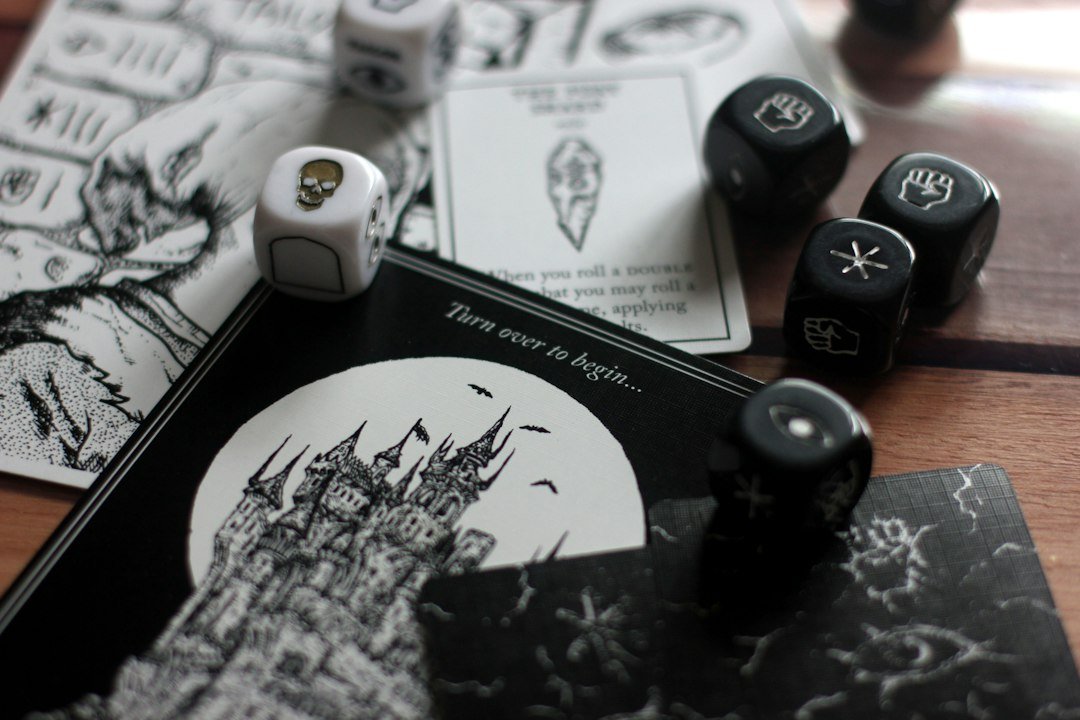
    Dice and a fantasy book for a story-first LitRPG reading guide
    Photo by Fox & Hyde on Unsplash

    Editorial disclosure: Fiction Found Here publishes Morrow Cut by Avery Rooke. It is included because its system is intentionally medium-crunch: explicit enough to track progression, but designed to avoid repeated stat-sheet recaps.

    Some readers love detailed attributes, damage formulas, and pages of notifications. Others like the promise of LitRPG—classes, levels, skills, builds, progression—but lose momentum when the story repeatedly pauses to inventory numbers.

    This list is for the second group. It includes both LitRPG and adjacent progression fantasy, because sometimes the best solution to stat fatigue is a system where advancement is visible without being numerical at all.

    Important: “story-first” does not mean “no mechanics.” Several books below still contain levels, skills, cards, or stat screens. The distinction is that the mechanics are usually subordinate to character, tactics, setting, or plot rather than becoming the entire reading experience.

    More progression-fantasy paths: For mature leads, see progression fantasy with adult protagonists. For tactical advancement, browse progression fantasy where strategy matters as much as power. You can also explore the Progression Fantasy & LitRPG hub.

    Quick picks by crunch level

    Book/series System feel Good for…
    Morrow Cut Medium-crunch Limited techniques, tactical consequences, minimal recap
    Cradle Progression, not LitRPG Clear advancement without stat sheets
    Beware of Chicken Cultivation Character and community first
    All the Skills Card-based LitRPG Build choices without classic attribute spam
    Dungeon Crawler Carl Visible LitRPG Mechanics tightly tied to puzzles, comedy, and survival

    1. Morrow Cut by Avery Rooke

    Why it fits: Kira’s Path is deliberately constrained. Early progression revolves around a small number of techniques—Contact, Anchor, and Shift—whose value comes from what she learns to do with them.

    Instead of adding dozens of interchangeable abilities, the story asks what happens when a capable adult understands the exact limits of a few tools. The reader can track growth without repeatedly rereading a giant character sheet.

    Explore Morrow Cut · View on Amazon

    2. Cradle by Will Wight

    Why it fits: progression is explicit and central, but it is expressed through cultivation stages, techniques, resources, and capability rather than RPG attributes.

    Will Wight describes the series as Lindon growing, exploring, and becoming steadily more powerful. The climb is easy to understand even though there are no traditional stat windows to manage.

    Read Will Wight’s introduction to Unsouled.

    3. Beware of Chicken by Casualfarmer

    Why it fits: cultivation exists, but the emotional center is farming, community, relationships, and the consequences of trying to live differently from the standard xianxia path.

    The protagonist is not checking a spreadsheet every chapter. Growth shows up through what characters can do, what they understand, and how the farm and community change around them.

    4. All the Skills by Honour Rae

    Why it fits: a deck-building system replaces a conventional strength/dexterity/intelligence treadmill.

    Arthur’s Master of Skills card creates a progression structure based on acquiring and combining cards and skills. There is still plenty of system thinking, but it is a different kind of crunch from constant numerical attribute updates.

    Learn more from Honour Rae.

    5. Dungeon Crawler Carl by Matt Dinniman

    Why it fits: the series absolutely has stats, classes, skills, achievements, loot, and game logic—but they are usually doing narrative work.

    The dungeon is a hostile entertainment system. Notifications can be jokes, threats, manipulation, clues, or tactical information. If your problem is not numbers themselves but scenes that exist only to recap numbers, this is an important distinction.

    Explore the series from Penguin Random House.

    6. The Wandering Inn by pirateaba

    Why it fits: the world has classes and levels, but the story’s scale, relationships, and consequences are much more important than optimizing a compact RPG sheet.

    Erin’s [Innkeeper] progression matters because skills alter what her inn can do and how she interacts with the world. The system remains legible without requiring constant arithmetic.

    Visit the official new-reader page.

    7. He Who Fights with Monsters by Travis Deverell

    Why it fits—with a caveat: this series is more mechanically explicit than the lighter entries above.

    Jason’s powers have defined effects and interactions, and the series spends real time on ability design. The reason it still belongs here is that the progression system is tightly integrated with characterization, politics, monster fighting, and worldbuilding. If you want almost no mechanics, choose Cradle or Beware of Chicken instead.

    Explore the official reading options.

    8. System Change by SunriseCV

    Why it fits—with a caveat: this is still recognizable LitRPG with classes and skills, but Derek’s experience and the cross-System premise give the mechanics a strong story function.

    The interesting question is not only “what number increased?” It is what happens when somebody who already understands one System is forced to operate under another.

    Learn more from SunriseCV.

    9. Defiance of the Fall by J. F. Brink

    Why it fits—with the biggest caveat: this is the crunchiest recommendation on the list.

    It combines class and skill systems with eastern cultivation and a vast multiverse. There are plenty of mechanics. But progression is consistently connected to survival, cultivation choices, resources, factions, and the expanding scale of the world. Choose it if you want deep systems but still need the growth to change the story.

    Learn more from the publisher.

    How to tell whether a LitRPG will feel too stat-heavy for you

    • Look at what advancement unlocks. New tactical options are usually more satisfying than repeated +1 updates.
    • Check whether the same sheet is repeatedly reproduced. A system can be deep without constant full recaps.
    • Ask whether mechanics create decisions. The best systems force tradeoffs, not just accumulation.
    • Consider progression fantasy outside LitRPG. Cultivation, card systems, and technique-based magic can provide the same growth satisfaction with fewer numbers.

    Related progression fantasy and LitRPG guides

    For mature leads, see progression fantasy with adult protagonists. For tactical advancement, browse progression fantasy where strategy matters as much as power. FFH’s story-first system series begins with Morrow Cut.

    Frequently asked questions

    What is low-stat LitRPG?

    There is no single formal definition. Readers usually use the phrase for LitRPG where numerical attributes are limited, update infrequently, or matter less than skills, classes, tactics, and story consequences.

    What should I read if I want zero stat screens?

    Start with progression fantasy rather than strict LitRPG: Cradle and Beware of Chicken are the clearest choices on this list.

    For more, browse the Progression Fantasy & LitRPG hub or see progression fantasy with adult protagonists.

  • 9 Progression Fantasy Books With Adult Protagonists

    9 Progression Fantasy Books With Adult Protagonists

    Fantasy roleplaying dice on a book for progression fantasy with adult protagonists
    Photo by Nika Benedictova on Unsplash

    Editorial disclosure: Fiction Found Here publishes Morrow Cut by Avery Rooke. It appears below because it is specifically built around an established adult professional learning to use a progression system.

    Progression fantasy often begins with a young protagonist at the bottom of a power ladder. That structure works, but it is not the only way to tell a satisfying weak-to-strong story. Adult protagonists bring different pressures: jobs, habits, prior competence, moral responsibility, damaged assumptions, and a life that already existed before the System or magic changed everything.

    The books below are useful if you want visible growth without defaulting to a school-age coming-of-age arc.

    Quick picks

    If you want… Start with…
    Professional competence turned into progression Morrow Cut
    Adult apocalypse LitRPG with dark comedy Dungeon Crawler Carl
    Isekai LitRPG with a fully formed personality He Who Fights with Monsters
    System apocalypse + cultivation scale Defiance of the Fall
    Independent survivor dropped into a new System System Change
    Adult office worker turned archer The Primal Hunter

    1. Morrow Cut by Avery Rooke

    Best for: readers who want an adult female protagonist whose existing professional skills shape her progression.

    Kira Rennick is an air traffic controller before she is stranded inside a fractured fantasy frontier. She does not arrive with sword mastery or a heroic destiny. What she has is years of training in sequencing movement, prioritizing risk, maintaining situational awareness, and handing specialized work to the right people.

    The System turns those habits into a control-oriented Path. Progression matters because each new capability changes what Kira can coordinate, anchor, move, or protect—not because a stat number rises in isolation.

    Explore Morrow Cut · View it on Amazon

    2. Dungeon Crawler Carl by Matt Dinniman

    Best for: adult survival, tactical problem-solving, dark comedy, and a game system that keeps changing the rules.

    Carl is a Coast Guard veteran when Earth is transformed into a lethal intergalactic game show. The dungeon gives him levels, loot, classes, and absurd mechanics, but his adult experience matters just as much as the numbers. He has to improvise under pressure, protect others, understand an adversarial system, and survive while millions watch.

    Learn more from Penguin Random House.

    3. He Who Fights with Monsters by Travis Deverell

    Best for: an outspoken adult protagonist, deep ability design, worldbuilding, humor, and long-form progression.

    Jason Asano is transported into another world and gains powers through a system that blends cultivation with LitRPG-style advancement. The series gives him a strong preexisting personality instead of treating him as an empty player avatar, which creates as much friction as his powers solve.

    Explore the series on Shirtaloon’s official site.

    4. Defiance of the Fall by J. F. Brink

    Best for: System apocalypse, huge-scale cultivation, class and skill choices, and relentless advancement.

    Zac is alone in the wilderness when Earth is integrated into a multiverse governed by a System. He has to survive monsters, build power, locate his family, and eventually navigate a setting where progression extends far beyond simple levels.

    The series is especially useful if you want adult survival pressure combined with an enormous long-term power ladder.

    Learn more from Aethon Books.

    5. System Change by SunriseCV

    Best for: an experienced loner, System mechanics, survival competence, and a protagonist who is already powerful when the main story begins.

    Derek has already survived years of System integration on Earth when an intervention throws him into another System entirely. That makes the setup different from a blank-slate tutorial: he arrives with habits, combat experience, and assumptions that no longer fit perfectly.

    Learn more from SunriseCV.

    6. The Primal Hunter by Zogarth

    Best for: System apocalypse, solo progression, archery, crafting, and a protagonist comfortable making his own choices.

    Jake begins as an adult office worker before the world is transformed by a game-like System. The series quickly leans into his independence, build choices, hunting instincts, and willingness to pursue a path that does not always match what other people want from him.

    Explore Zogarth’s books via Simon & Schuster.

    7. Beware of Chicken by Casualfarmer

    Best for: progression fantasy that deliberately rejects the usual climb-to-the-top lifestyle.

    The protagonist wakes in the body of a cultivator and promptly decides he wants no part of arrogant masters, endless duels, or suicidal ambition. Farming becomes the center of his new life—except cultivation, talking animals, community, and consequences keep making that supposedly quiet choice much more interesting.

    See the publisher description on Google Books.

    8. The Wandering Inn by pirateaba

    Best for: noncombat progression, classes and levels, enormous worldbuilding, and ordinary work becoming consequential.

    Erin Solstice is transported into another world and becomes an [Innkeeper]. Her progression is not built around becoming the strongest fighter. Running an inn, building relationships, surviving local dangers, and gaining class abilities gradually connect her to events much larger than the building itself.

    Start with the official new-reader guide.

    9. All the Skills by Honour Rae

    Best for: deck-building progression, skill acquisition, careful build construction, and readers who want mechanics that differ from standard attribute sheets.

    Arthur receives a powerful Master of Skills card in a world where magical cards define opportunity and danger. The system emphasizes acquiring, combining, and exploiting skills rather than simply watching a small set of attributes climb.

    Learn more from Honour Rae.

    Why adult protagonists change progression fantasy

    • Existing competence matters. The protagonist can transfer real skills instead of starting as a total blank slate.
    • Responsibility changes power. Advancement may create obligations to coworkers, communities, families, or people who depend on the protagonist.
    • Identity is already formed. The interesting question becomes how power changes an adult worldview rather than simply who the character will grow up to be.
    • Failure has a different texture. An adult protagonist can know exactly what competent behavior looks like and still discover that a new world invalidates part of that expertise.

    For more, browse the Progression Fantasy & LitRPG hub or read our guide to story-first LitRPG and progression fantasy without constant stat dumps.

  • 9 Cozy Fantasy Books With Adult Protagonists and Capable Characters

    9 Cozy Fantasy Books With Adult Protagonists and Capable Characters

    Canal-side brick house and waterway illustrating plot-forward cozy fantasy and practical magic
    Photo by Vanessa Sharpe on Unsplash

    One of cozy fantasy’s strongest appeals is that it can make competence feel comforting. The protagonist does not have to be a teenager discovering who they are for the first time. They can be adults with jobs, responsibilities, expertise, scars, routines, and fully formed opinions—and the story can still leave room for reinvention.

    This list focuses on cozy fantasy where adult capability matters. Some protagonists are rebuilding after violent careers. Others are librarians, witches, cooks, conservation workers, fortune tellers, or public-service professionals. What connects them is the satisfaction of watching people know things, learn things, and solve problems without becoming invincible.

    1. The Lockkeeper of Alder Reach by Elodie Fenwick

    Why it fits: Tilda Renn is a senior canal lockkeeper whose expertise is central to the plot.

    Lowsend’s practical water magic is inseparable from the city’s canals, locks, feeders, and neighborhoods. When failures begin moving through that system, Tilda cannot solve them by suddenly discovering hidden powers. She has to use professional judgment, records, observation, institutional knowledge, and other people’s expertise.

    The result is competence fantasy without power fantasy: Tilda is good at her job, but the problem is larger than any one person.

    Explore The Lockkeeper of Alder Reach · See the series

    2. The Phoenix Keeper by S. A. MacLean

    Why it fits: Aila’s conservation training and professional obsession with phoenixes drive the story.

    A magical zoo is whimsical on the surface, but the job underneath it is specific. Aila is responsible for an endangered species and a breeding program that has not worked in years. Saving it requires expertise, institutional persuasion, public support, and collaboration.

    Learn more from Orbit.

    3. The Spellshop by Sarah Beth Durst

    Why it fits: Kiela is an experienced librarian whose knowledge of magical books becomes practical survival skill.

    Her life is disrupted by revolution, but she does not become an action hero. Instead, her strengths come from preservation, research, careful experimentation, and adapting knowledge that used to belong to an institution.

    Learn more from Macmillan.

    4. The House Witch by Delemhach

    Why it fits: Finlay Ashowan is an accomplished cook and domestic magician before the larger plot reaches him.

    Cooking, household management, magical craft, and reading a room are all forms of competence here. Finlay’s capabilities make him useful enough that court problems refuse to leave him alone.

    5. Cursed Cocktails by S. L. Rowland

    Why it fits: Rhoren is a veteran with decades of experience who has to translate old skills into a different life.

    Retirement does not erase what he knows. It changes what that knowledge is for. The pleasure comes from watching an adult choose a smaller life deliberately and discover that care, hospitality, and friendship require their own skills.

    Learn more from the author.

    6. The Teller of Small Fortunes by Julie Leong

    Why it fits: Tao has an established trade and knows how to survive by practicing a deliberately modest form of magic.

    Her fortunes are small by design. The story’s competence comes from judgment, restraint, reading people, and the accumulated knowledge of a life spent traveling.

    Learn more from Penguin Random House.

    7. The Very Secret Society of Irregular Witches by Sangu Mandanna

    Why it fits: Mika’s magical expertise becomes useful when she is asked to teach children who need what she knows.

    That teaching role gives her adult competence a social purpose. She is not merely discovering magic; she is responsible for helping others control it while navigating the risks of secrecy.

    Learn more from Berkley.

    8. A Witch’s Guide to Magical Innkeeping by Sangu Mandanna

    Why it fits: the protagonist is rebuilding an adult life, running a shared space, and trying to regain magical capability rather than discovering adulthood from scratch.

    The inn gives competence a practical form: people need care, problems need handling, and magical restoration has consequences.

    Learn more from Berkley.

    9. Legends & Lattes by Travis Baldree

    Why it fits: Viv is highly competent at the life she is leaving and profoundly inexperienced at the one she wants.

    That contrast is part of the charm. Her old adventuring skills still matter, but the story asks her to learn construction, hiring, food service, customer behavior, and trust. Competence becomes transferable without becoming universal.

    Learn more from Tor/Macmillan.

    Why adult competence works so well in cozy fantasy

    Cozy fantasy often promises that ordinary work can matter. An adult protagonist strengthens that promise because they usually arrive with an existing relationship to labor, responsibility, community, money, institutions, or craft.

    The most satisfying books do not make capable characters correct all the time. They let expertise create options while still requiring collaboration, humility, and change.

    If that is the kind of fantasy you want, continue with cozy fantasy books with real plot and adventure, browse the Cozy Fantasy hub, or start the Waters of Lowsend reading order.

  • 10 Books Like Legends & Lattes for Your Next Cozy Fantasy Read

    10 Books Like Legends & Lattes for Your Next Cozy Fantasy Read

    Coffee, cake, and books on a table for a Legends and Lattes read-alikes guide
    Photo by Esra Afşar on Unsplash

    Editorial disclosure: Fiction Found Here publishes The Lockkeeper of Alder Reach, which appears below because it fits readers looking for adult cozy fantasy with competence, community, and a stronger external plot.

    If Legends & Lattes worked for you because of the fresh start, found family, adult protagonist, practical work, and low-stress fantasy world, the good news is that cozy fantasy has expanded far beyond coffee-shop imitators.

    The best next read depends on which part you actually want more of. Some books preserve the shop-building comfort. Others keep the warmth but add conservation work, travel, magical secrecy, civic problem-solving, or more visible adventure.

    More cozy-fantasy paths: If you want more external momentum, see cozy fantasy with real plot and adventure. If mature competence matters most, browse cozy fantasy with adult protagonists and capable characters. If you mainly want romance with little or no explicit content, try our low-spice cozy-fantasy recommendations. You can also explore the Fiction Found Here cozy-fantasy hub.

    If you loved Legends & Lattes for…

    You want more… Try…
    Cottagecore rebuilding and magical books The Spellshop
    A cozy business with more adventure Can’t Spell Treason Without Tea
    Adult competence and a real problem to solve The Lockkeeper of Alder Reach
    Found family and witchy romance The Very Secret Society of Irregular Witches
    Later-in-life reinvention and a tavern Cursed Cocktails

    1. The Spellshop by Sarah Beth Durst

    Closest match for: starting over, practical work, cottagecore atmosphere, community, and light romance.

    Kiela escapes a revolution with forbidden spellbooks and returns to an island home she has neglected for years. The book gives readers the same pleasure of watching someone build a new life from practical tasks, but its magic and political background make the setup feel distinct from another cafe story.

    Learn more from Macmillan.

    2. Can’t Spell Treason Without Tea by Rebecca Thorne

    Closest match for: a cozy commercial space, sapphic romance, chosen family, and more adventure.

    Reyna and Kianthe flee demanding lives to open a bookshop that serves tea. That sounds deliberately close to the business-building comfort readers associate with Legends & Lattes, but royal danger, dragons, and magic push the story into a more adventurous lane.

    Learn more from Tor/Macmillan.

    3. Cursed Cocktails by S. L. Rowland

    Closest match for: a retired adventurer building a hospitality business and finding community.

    Rhoren leaves a violent career behind and opens a tavern in a warmer climate. The emotional promise is familiar—reinvention, work, food and drink, new relationships—but the older hero’s chronic pain and long military history give the book a different texture.

    4. The Very Secret Society of Irregular Witches by Sangu Mandanna

    Closest match for: found family, warm humor, romance, and discovering that home can be made rather than inherited.

    Mika Moon is used to staying isolated. Teaching three young witches forces her into the life of Nowhere House, where care and belonging become as important as magic. If your favorite part of Legends & Lattes was the gradual formation of a chosen family, this is one of the clearest next reads.

    Learn more from Berkley.

    5. The Teller of Small Fortunes by Julie Leong

    Closest match for: gentle optimism and community, but with a traveling structure instead of one fixed shop.

    This is a useful next step if you want to keep the emotional warmth while leaving the storefront behind. A traveling fortune teller gathers companions and connections as the story moves, making the coziness feel mobile rather than homebound.

    Learn more from Penguin Random House.

    6. The Phoenix Keeper by S. A. MacLean

    Closest match for: an adult protagonist deeply invested in her work, a lovable workplace, found family, and queer romance.

    Instead of building a cafe, Aila is trying to make a phoenix-conservation program succeed at a magical zoo. The work matters to the plot, which makes this especially satisfying for readers who liked watching Viv learn every practical detail of running something she cares about.

    Learn more from Orbit.

    7. The House Witch by Delemhach

    Closest match for: food, domestic competence, humor, and a character who wants a manageable life but keeps getting pulled into bigger events.

    Finlay’s magic is strongest in the household sphere, especially around cooking and home. A royal court ensures the book has more intrigue and danger than the title’s domestic emphasis might suggest.

    8. A Witch’s Guide to Magical Innkeeping by Sangu Mandanna

    Closest match for: a communal business, magical found family, adult second chances, and romance.

    An inn naturally creates the kind of recurring social space that cozy readers often love: strangers arrive, relationships accumulate, and ordinary work becomes the frame for magic and emotional repair.

    Learn more from Berkley.

    9. The Lockkeeper of Alder Reach by Elodie Fenwick

    Closest match for: adult competence, meaningful work, a recurring community, and warm fantasy with a stronger plot engine.

    Tilda Renn is not retiring from adventuring or opening a shop. She is already excellent at a difficult civic job. The cozy pleasure comes from watching capable adults solve problems inside a city worth caring about, while practical water magic and a failing canal network create a concrete mystery.

    That makes it a strong choice if you liked the emotional atmosphere of Legends & Lattes but wanted more causality and problem-solving.

    Explore the book · View on Amazon

    10. Legends & Lattes: Bookshops & Bonedust

    Closest match for: staying with Travis Baldree’s world while shifting toward books, mystery, and a different stage of Viv’s life.

    If what you really want is more of Baldree’s tone and characters, the obvious move is the companion novel set earlier in Viv’s life. It changes the setting and story problem while preserving the recognizable emotional register.

    Which read-alike should you choose?

    For the closest business-building feeling, start with The Spellshop, Can’t Spell Treason Without Tea, or Cursed Cocktails. For found family, try The Very Secret Society of Irregular Witches. For stronger external plotting, choose The Phoenix Keeper, The House Witch, or The Lockkeeper of Alder Reach.

    For more recommendations, visit the Cozy Fantasy hub or read 10 cozy fantasy books with real plot and adventure.

    Frequently asked questions

    What should I read after Legends & Lattes?

    Choose by the part you want repeated. The Spellshop is a strong fit for rebuilding and community, The Very Secret Society of Irregular Witches for found family, and The Lockkeeper of Alder Reach for adult competence, practical work, and a stronger external plot.

    What cozy fantasy books have more plot?

    Look for books built around a concrete objective such as rebuilding, investigating, protecting, traveling, or solving a magical problem. Our cozy fantasy with real plot and adventure guide is organized around that exact reading preference.

    Are there cozy fantasy books with adult protagonists?

    Yes. Several cozy and cozy-adjacent fantasies center established adults with careers, responsibilities, prior failures, and practical competence. See our guide to cozy fantasy with adult protagonists and capable characters.